
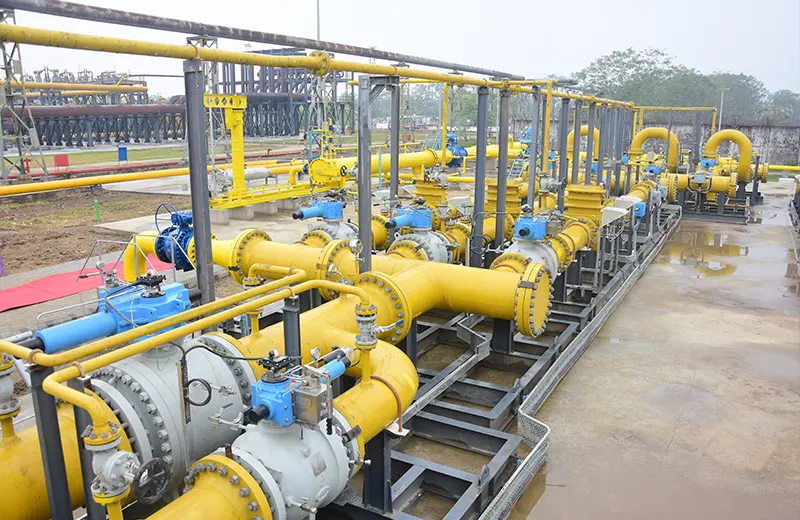
When we think of oil and gas production, most people picture drilling rigs and underground reservoirs. But the real magic happens after the hydrocarbons reach the surface. That’s where surface facilities come into play the unsung heroes that make it possible to process, treat, and deliver oil and gas safely and efficiently.
In this guide, we’ll explore what surface facilities are, how they work, and why they form the backbone of oil and gas production.
What Are Surface Facilities?
Surface facilities are the collection of equipment, systems, and infrastructure installed at the surface to handle oil, gas, and water after they are extracted from the well.
Their main purpose is to:
- Separate crude oil, natural gas, and produced water.
- Treat these components to meet quality and safety standards.
- Store and transport the final products for sale or refining.
From the wellhead to the export pipeline, surface facilities ensure that every drop of oil and every molecule of gas is efficiently processed.
Key Components of Surface Facilities
Here’s what makes up a typical surface production system:
1. Wellhead and Flowlines
These control the flow of fluids from the reservoir and transport them to the processing units.
2. Separators
Large vessels that divide the fluid mixture into oil, gas, and water phases. They’re crucial for the first stage of processing.
3. Heaters and Treaters
Used to remove emulsions, water, and salts from crude oil, improving quality before storage or transport.
4. Compressors and Dehydration Units
These handle natural gas — compressing and drying it to meet export or pipeline standards.
5. Produced Water Treatment Systems
Ensure water separated during production is safely treated and disposed of or reused.
6. Storage Tanks and Pipelines
Once treated, the oil and gas are stored in tanks or transferred through pipelines to refineries or markets.
Why Surface Facilities Are So Important
Surface facilities may not get the spotlight that drilling operations do, but they are vital for a number of reasons:
1. They Ensure Product Quality
Surface facilities clean and condition crude oil and natural gas so they meet market and environmental standards.
2. They Keep Operations Safe
Proper pressure control, gas flaring, and water handling systems reduce the risk of explosions, leaks, and environmental damage.
3. They Maximize Efficiency
Advanced surface systems help companies recover more hydrocarbons while reducing waste and downtime.
4. They Protect the Environment
Modern surface facilities are designed to minimize emissions, recycle produced water, and safely manage waste.
5. They Create Skilled Job Opportunities
From operators to engineers, surface facilities require trained professionals to keep everything running smoothly.
Modern Innovations in Surface Facilities
The oil and gas industry is rapidly evolving, and surface facilities are leading the transformation.
Some of the latest innovations include:
- Digital Monitoring Systems: Real-time tracking of pressure, temperature, and flow rates.
- Automation and AI: Predictive maintenance and automated control systems to prevent failures.
- Modular Facilities: Compact, cost-effective designs for faster installation and lower footprint.
- Eco-friendly Technologies: Equipment for reducing flaring, capturing carbon, and treating wastewater more efficiently.
These technologies are redefining how surface facilities operate — making them smarter, safer, and more sustainable.
Building Expertise Through Oil & Gas Technical Courses (Surface)
To operate and maintain surface facilities effectively, specialized training is essential.
Through Oil & Gas Technical Courses (Surface), professionals learn:
- How to operate separators, pumps, and compressors.
- Safety protocols for handling oil, gas, and high-pressure systems.
- Environmental compliance and modern facility design.
Graduates of these programs can pursue roles such as:
- Surface Facility Operator
- Production Engineer
- Process Technician
- Field Supervisor
Final Thoughts
Without surface facilities, oil and gas production would simply stop at the wellhead. They are the critical link between extraction and energy delivery — ensuring that the world keeps running smoothly.
Whether you’re entering the field or expanding your skills, understanding surface operations will give you a strong foundation for a successful career in energy production.


