
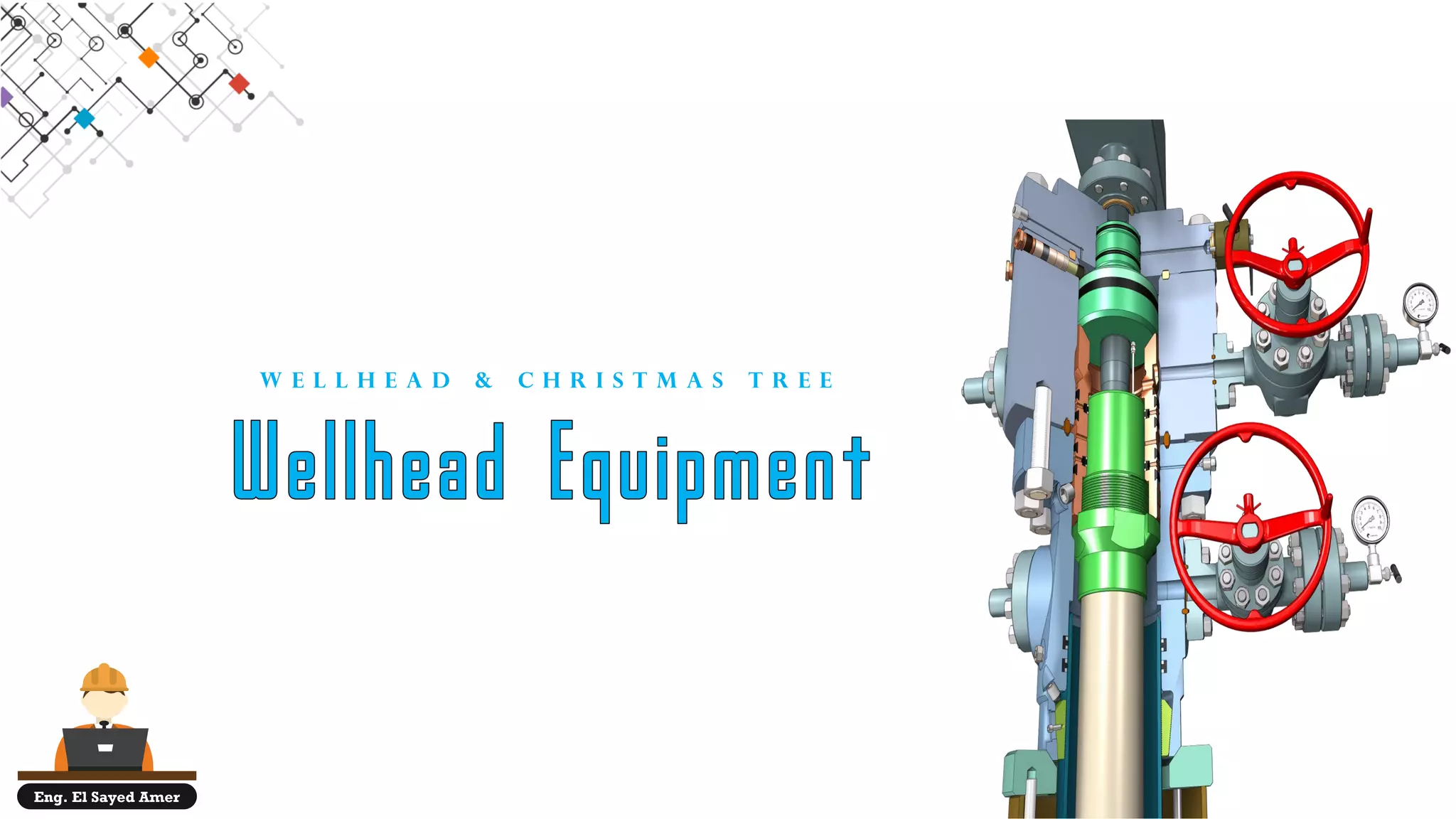
In the world of oil and gas production, the wellhead is one of the most critical components of the entire operation. It acts as the primary interface between the drilling equipment, the casing strings, and the surface production facilities. But to fully appreciate how a wellhead functions, it’s essential to understand the wellhead surface equipment—the hardware installed at the top of the well that ensures safety, pressure control, and continuous production.
This guide breaks down what wellhead surface equipment is, how it works, and why it matters.
What Is Wellhead Surface Equipment?
Wellhead surface equipment refers to all mechanical components installed at the surface of an oil or gas well. These components:
- Maintain pressure control
- Provide structural support for casing and tubing strings
- Enable safe access for drilling, completion, and production operations
- Allow for well monitoring, testing, and maintenance
In simple terms, this equipment forms the gateway between the subsurface reservoir and the surface facility.
Key Components of Wellhead Surface Equipment
1. Casing Head (Casing Hanger)
The casing head is the foundation of the wellhead system. It holds the casing strings in place and provides a pressure seal between the wellbore and the surface. Its functions include:
- Supporting the weight of the casing
- Providing a base for further wellhead components
- Allowing for testing and monitoring of well pressure
2. Tubing Head
Installed above the casing head, the tubing head supports the production tubing and includes seals to isolate the annulus between the tubing and casing. It also provides access for:
- Well monitoring
- Injection operations
- Pressure control
3. Christmas Tree (Xmas Tree)
Perhaps the most recognizable part of the wellhead, the Christmas tree consists of valves, spools, and gauges that regulate flow. Its main functions include:
- Controlling the flow of oil or gas
- Providing shut-off capability during emergencies
- Allowing for pressure monitoring and chemical injection
- Supporting well intervention activities
4. Valves
Valves play a vital role in operational safety. Common valve types include:
- Master Valve: Controls the main flow from the well
- Wing Valve: Manages flow to production lines
- Swab Valve: Provides access for well interventions
- Kill Valve: Allows injection of kill fluids to control pressure
5. Pressure Gauges & Sensors
Modern wells rely heavily on instrumentation to ensure safe operation. These devices monitor:
- Flow pressure
- Annular pressure
- Temperature
- Production rates
Real-time monitoring helps identify anomalies early, preventing major failures.
6. Blowout Preventer (During Drilling)
While technically part of drilling equipment, a BOP is essential at the wellhead during drilling phases.
The BOP prevents uncontrolled releases of oil or gas, protecting workers, equipment, and the environment.
Why Wellhead Surface Equipment Matters
Safety
A wellhead needs to withstand extreme pressure conditions. Proper equipment ensures blowout prevention and controlled production.
Flow Control
Surface equipment regulates flow to pipelines, separators, and processing facilities.
Structural Integrity
Each component supports heavy loads and harsh environments, ensuring the well performs optimally throughout its life cycle.
Operational Efficiency
Modern surface equipment enables automated control, remote monitoring, and efficient well interventions.
Common Challenges and Solutions
1. Pressure Leaks
Cause: Worn seals, corrosion, or improper installation
Solution: Regular inspections, corrosion-resistant materials, proper torqueing
2. Equipment Corrosion
Cause: Harsh fluids, H₂S, CO₂, saltwater
Solution: Protective coatings, stainless or alloy components, chemical treatment
3. Valve Malfunction
Cause: Debris, wear, freezing conditions
Solution: Routine valve cycling, maintenance, and winterization


